




Exhibition number: SW 68
During 4 Design Days, the Academy of Silesia presents a comprehensive exhibition of student work from the programs of Architecture, Interior Architecture, Graphic Design, and Product Design. The exhibition offers an encounter with a new generation of designers and artists who consciously respond to the challenges of the contemporary world, combining creativity with technology, social responsibility, and a sustainable approach to design.
The exhibition features both conceptual projects and realized works, presenting the full creative process—from the initial idea, through analysis and experimentation, to the final outcome. The works include contemporary architectural visions, innovative interior arrangements, graphic design projects, and product design initiatives, demonstrating the diversity of creative approaches and tools used by students.
Within the Interior Architecture section, digital design boards are presented, including original escape room concepts developed as part of the curriculum, as well as projects from the broader field of interior architecture. The Academy of Silesia stands out nationally by not only designing such spaces but also realizing them in cooperation with external partners. This approach results in immersive, narrative interiors that engage users and demonstrate how design can create experiences rather than merely forms.
An integral part of the presentation includes 360° visualizations created by students using advanced digital technologies. Through Google VR technology, visitors can enter virtual environments and experience them in an almost real way, gaining insight into the practical dimension of students’ design processes.
The Architecture section presents diploma projects by students—now graduates of the program—demonstrating mature design approaches and critical reflection on contemporary spatial challenges. The exhibited architectural and urban design projects address ecological, social, and technological issues, focusing on sustainable development, future-oriented urbanism, and new models of living and working.
In the Graphic Design section, both student works and the publication “The Lost Human” are presented. The publication documents an international artistic and research project initiated and organized by the Academy of Silesia in 2024. The project brought together 156 artists from 8 countries, and the catalogue features selected works in graphic art, drawing, installation, and digital media, previously exhibited during events accompanying the International Print Triennial 2024. The publication also includes commentaries by scholars in the humanities and social sciences, reflecting on overstimulation, identity crisis, and the contemporary experience of disorientation. It serves both documentary and educational purposes and is a valuable resource for artists, students, and audiences interested in contemporary art.
The Product Design collection consists of two silhouettes inspired by the micro–macro relationship. The garments were created with a raw, restrained aesthetic. Some designs are based on large, simple geometric forms, while others employ small, repeatedly multiplied elements, creating a strong contrast in scale and structure. The collection aligns with the principles of eco-fashion, emphasizing responsible and sustainable design.
The collection is complemented by two backpacks created using the same techniques and made from leftover materials generated during the garment-cutting process, further underscoring the sustainable character of the project.
An integral part of the exhibition is also a film from the fashion show “Fashion Fever,” presenting diploma collections by students of the Academy of Silesia. The film offers a dynamic narrative of fashion as a form of expression, experimentation with form, and a conscious dialogue with the body, movement, and identity.
The exhibition organized by the Academy of Silesia during 4 Design Days creates a space for inspiration, dialogue, and the exchange of experience with representatives of the creative industries. The presented projects demonstrate that contemporary design has a tangible impact on its environment—esthetic, functional, social, and cultural—and that young creators are ready to actively co-shape its future.
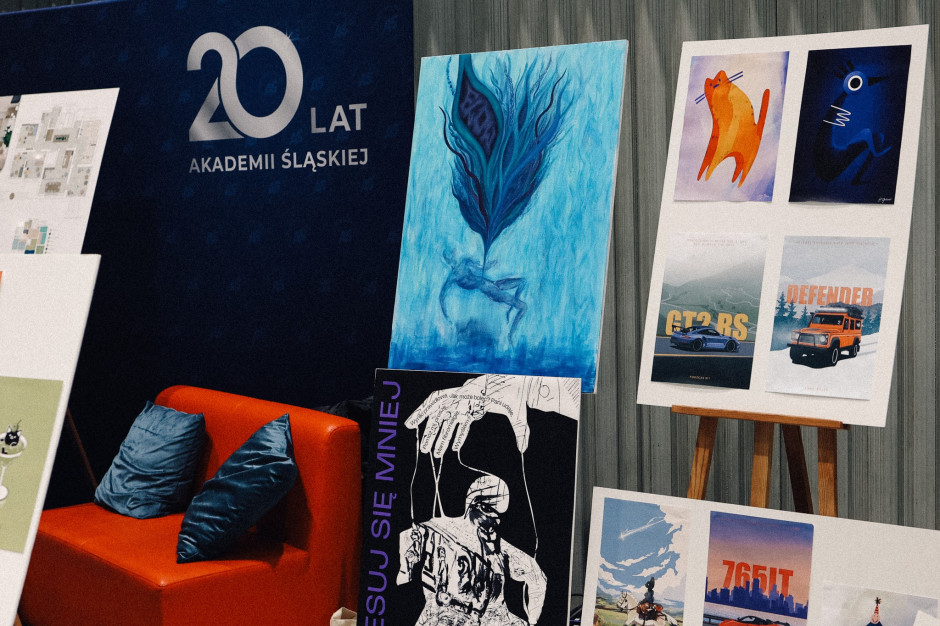
Source: Silesian Academy
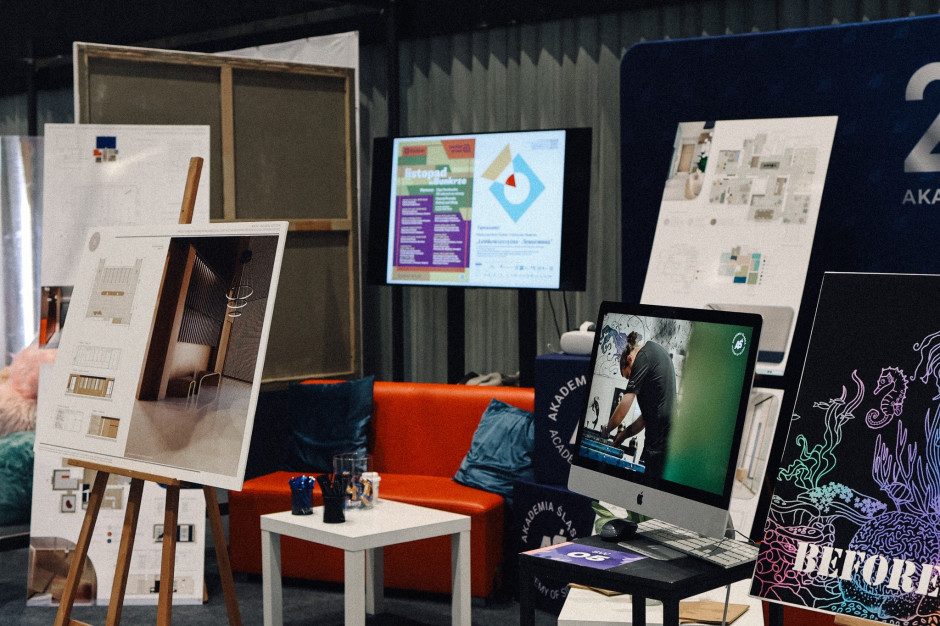
Source: Silesian Academy